Related Articles


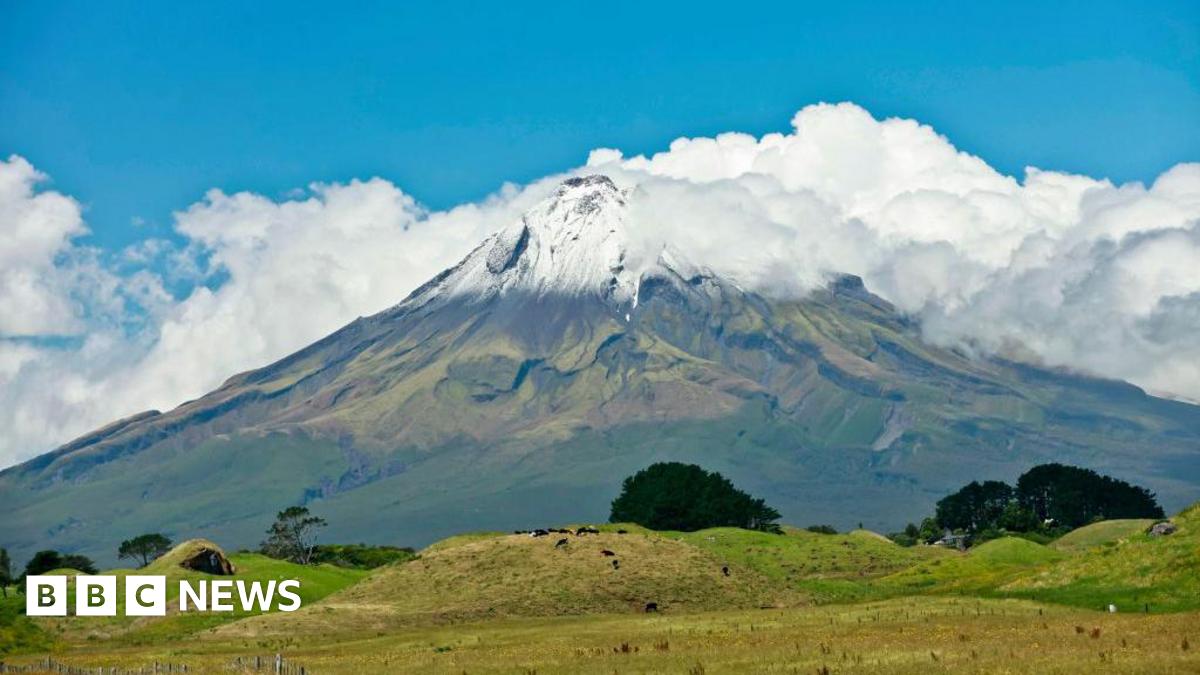
The Taranaki Maunga Collective Redress Invoice was handed into regulation by New Zealand’s parliament on Thursday – giving the mountain a legal identify and defending its surrounding peaks and land.
It additionally recognises the Māori worldview that pure options, together with mountains, are ancestors and dwelling beings.
“As we speak, Taranaki, our maunga [mountain], our maunga tupuna [ancestral mountain], is launched from the shackles, the shackles of injustice, of ignorance, of hate,” mentioned Debbie Ngarewa-Packer, co-leader of political occasion Te Pāti Māori [the Māori Party].
Ngarewa-Packer is amongst one of many eight Taranaki iwi, on New Zealand’s west coast, to whom the mountain is sacred.
Lots of of different Māori from the realm additionally turned up at parliament on Thursday to see the invoice change into regulation.
The mountain will now not be formally identified as Egmont – the named given to it by British explorer James Cook dinner within the 18th Century – and as an alternative be known as Taranaki Maunga, whereas the encompassing nationwide park may also be given its Māori identify.
Aisha Campbell, who can also be from a Taranaki iwi, advised 1News that it was vital for her to be on the occasion, and that the mountain “is what connects us and what binds us collectively as a folks”.
The Taranaki Maunga settlement is the most recent that has been reached with Māori in an try to offer compensation for breaches of the Treaty of Waitangi – which established New Zealand as a nation and granted indigenous folks sure rights to their land and sources.
The settlement additionally got here with an apology from the federal government for the confiscation of Mt Taranaki and greater than a million acres of land from native Māori within the 1860s.
Paul Goldsmith acknowledged that the “breaches of the Treaty imply that immense and compounding hurt have been inflicted upon the whānau [wider family], hapū [sub-tribe] and iwi of Taranaki, inflicting immeasurable hurt over many many years”.
He added that it had been agreed that entry to the mountain wouldn’t change and that “all New Zealanders will have the ability to proceed to go to and revel in this most opulent place for generations to come back”.
The mountain just isn’t the primary of New Zealand’s pure characteristic’s to be granted legal personhood.
In 2014, the Urewera native forest turned the primary to achieve such standing, adopted by the Whanganui River in 2017.