Related Articles


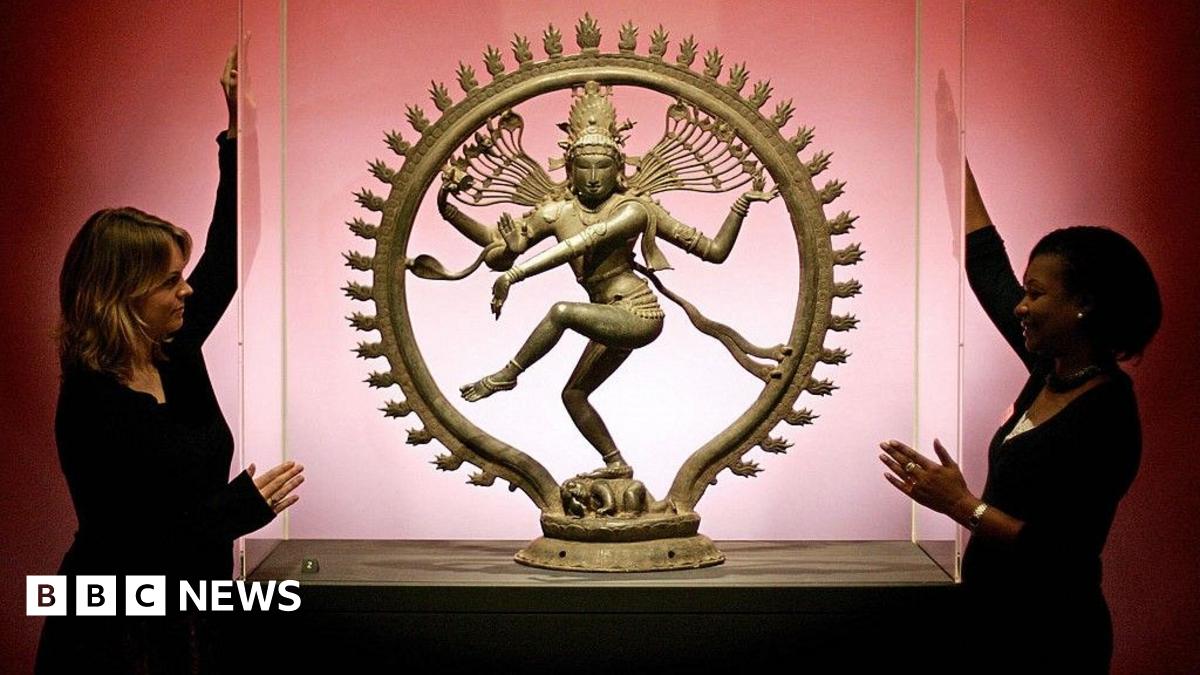
The loot of conquest was lavished on his nice imperial temple, recognized right now because the Brihadishvara.
Along with its valuable treasures, the good temple obtained 5,000 tonnes of rice yearly, from conquered territory throughout southern India (you’d want a fleet of twelve Airbus A380s to hold that a lot rice right now).
This allowed the Brihadishvara to perform as a mega-ministry of public works and welfare, an instrument of the Chola state, supposed to channel Rajaraja’s huge fortunes into new irrigation methods, into increasing cultivation, into huge new herds of sheep and buffalo. Few states in the world may have conceived of economic management at such scale and depth.
The Cholas had been as necessary to the Indian Ocean because the Mongols had been to interior Eurasia. Rajaraja Chola’s successor, Rajendra, constructed alliances with Tamil service provider firms: a partnership between merchants and authorities energy that foreshadowed the East India Firm – a highly effective British buying and selling company that later dominated giant elements of India – that was to come back greater than 700 years later.
In 1026, Rajendra put his troops on retailers’ ships and sacked Kedah, a Malay metropolis that dominated the worldwide commerce in valuable woods and spices.
Whereas some Indian nationalists have proclaimed this to be a Chola “conquest” or “colonisation” in Southeast Asia, archaeology suggests a stranger image: the Cholas did not appear to have a navy of their very own, however below them, a wave of Tamil diaspora retailers unfold throughout the Bay of Bengal.
By the late eleventh Century, these retailers ran impartial ports in northern Sumatra. A century later, they had been deep in present-day Myanmar and Thailand, and labored as tax collectors in Java.